
Engineering Question
What Is a Sanitary Waste System?
A sanitary waste system carries wastewater from fixtures through waste and vent piping to the building sewer and public or private treatment system.

Reviewed by
Michael K. Frempong, PE, LEED AP
President & Principal Engineer, BEED Engineering
Michael K. Frempong is a professional engineer and LEED AP accredited professional with over 20 years of experience in consulting engineering. As President & Principal Engineer at BEED Engineering, he leads the firm’s MEP design and consulting work for laboratory, healthcare, industrial, data center, education, commercial, municipal, and other building projects throughout Florida.
View BEED team profileQuick Answer
A sanitary waste system collects wastewater from fixtures such as sinks, toilets, and floor drains and conveys it to the building sewer. Vent piping protects trap seals and allows the system to drain. The design must size pipes, provide cleanouts, and coordinate stacks with architecture and structure.
On this page
What the system does
A sanitary waste system moves wastewater out of the building. It is not storm drainage and it is not domestic water.
Typical path:
Fixture → trap → waste piping → stacks and building drain → sewer
Vent piping connects to that network so traps keep their water seal.
Main components
- Fixtures and traps
- Horizontal waste piping
- Vertical stacks
- Vents and vent terminals
- Cleanouts
- Building drain and sewer connection
- Interceptors when the occupancy requires them (grease, oil, solids)
See plumbing engineering for related systems.
Design issues
- Fixture-unit loading
- Slope and available ceiling depth
- Stack location versus architectural cores
- Grease and specialty waste
- Coordination with domestic water heater rooms and risers
When to involve an engineer
Involve an engineer when adding restrooms, changing occupancy, installing a commercial kitchen, or replacing a failed underground building drain. Existing buildings in Brevard County often have limited stack capacity.
Related BEED projects
All projects →Selected work that shows how BEED has applied this kind of engineering on real buildings.
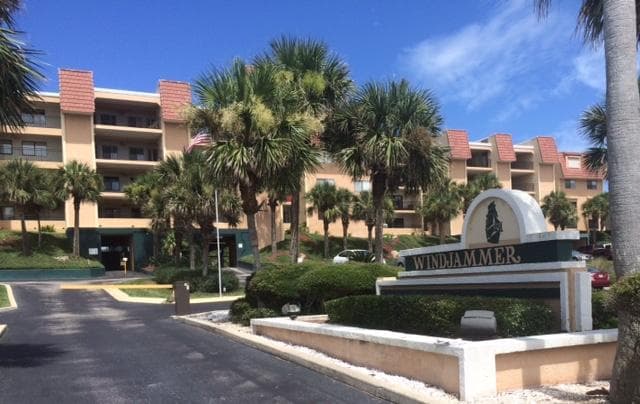
Residential
Windjammer Condominiums
St. Augustine
St. Augustine, Florida
Plumbing Engineering
Plumbing engineering design for the Windjammer Condominiums in St. Augustine, Florida.
View Project →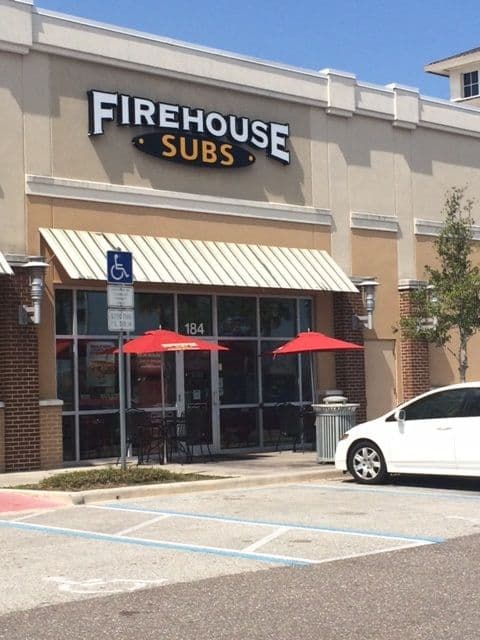
Food Service
Firehouse Subs
West Melbourne
West Melbourne, Florida
1,700 SF
Mechanical + Electrical + Plumbing
MEP engineering for a 1,700-square-foot Firehouse Subs restaurant in West Melbourne, Florida, with seating, food preparation, and office space.
View Project →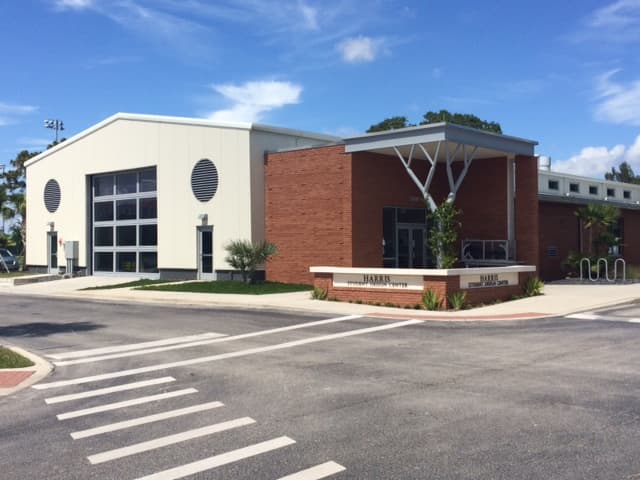
Higher Education
Florida Institute of Technology
Harris Student Design Center
Melbourne, Florida
8,000 SF
Mechanical + Plumbing Engineering
Mechanical and plumbing design, project administration, and LEED Fundamental Commissioning for the 8,000-square-foot Harris Student Design Center at Florida Tech in Melbourne, Florida.
View Project →Common Questions
Is sanitary the same as storm drainage?
No. Sanitary carries wastewater from fixtures. Storm carries rainwater from roofs and site drains. Combining them is generally not allowed in modern commercial design.
Why do vents matter?
Vents protect trap seals from siphoning and allow air into the system so waste can flow.
Filed under Plumbing Engineering
Continue exploring
Related Questions
What Is Plumbing Engineering?
Plumbing engineering is the design of domestic water, sanitary waste, storm drainage, and specialty piping systems for buildings.
What Is Stormwater Drainage?
Building stormwater drainage collects rain from roofs and area drains and conveys it to the storm sewer or an approved point of discharge.
What Is Commercial Domestic Water Design?
Commercial domestic water design sizes cold and hot water supply, heaters, pumping, and backflow protection for building fixtures and equipment.
What Is a Medical Gas System?
A medical gas system supplies medical air, oxygen, vacuum, and other clinical gases through dedicated, code-regulated piping in healthcare facilities.
Do I Need an Engineer for a Commercial Renovation?
Many commercial renovations need an MEP engineer when HVAC, electrical, plumbing, occupancy, or life-safety systems change—or when sealed drawings are required for permit.
How Do You Choose an MEP Engineering Firm?
Choose an MEP engineering firm based on relevant project experience, local code familiarity, coordination ability, and how clearly the firm defines scope—not just the lowest fee.
Related BEED Services
Related Locations
Local Presence
BEED Engineering — Based in Palm Bay, Serving Florida
BEED Engineering is a Palm Bay-based MEP firm providing mechanical, electrical, and plumbing design for commercial and specialized facilities throughout Central Florida and Florida. BEED Engineering is a firm you can trust to get the job done.
Need Engineering Help?
Need sanitary plumbing design or a renovation assessment?
BEED Engineering designs sanitary waste and vent systems and evaluates existing stacks for commercial renovations.