
Engineering Question
What Is a Medical Gas System?
A medical gas system supplies medical air, oxygen, vacuum, and other clinical gases through dedicated, code-regulated piping in healthcare facilities.

Reviewed by
Michael K. Frempong, PE, LEED AP
President & Principal Engineer, BEED Engineering
Michael K. Frempong is a professional engineer and LEED AP accredited professional with over 20 years of experience in consulting engineering. As President & Principal Engineer at BEED Engineering, he leads the firm’s MEP design and consulting work for laboratory, healthcare, industrial, data center, education, commercial, municipal, and other building projects throughout Florida.
View BEED team profileQuick Answer
A medical gas system is a specialty plumbing and piping system that delivers medical air, oxygen, vacuum, and other clinical gases to patient care and procedure spaces. It is designed to healthcare piping standards, not as ordinary compressed air. Source equipment, zone valves, alarms, and outlet types are all part of the engineered system.
On this page
What a medical gas system is
A medical gas system is a dedicated piping and equipment system that delivers clinical gases and vacuum to patient-care and procedure spaces. It is not ordinary compressed air or shop vacuum. Source equipment, distribution piping, zone valves, alarms, and outlet types are designed together as one specialty system.
It sits inside plumbing engineering and the broader healthcare MEP package. For facility-type context, see healthcare engineering.
Main components
Depending on the facility, medical gas and vacuum systems may include:
- Source equipment (cylinders, bulk supply, compressors, or vacuum pumps as applicable)
- Distribution piping and identification
- Zone valves and area or master alarms
- Terminal outlets at the point of use
- Oxygen, medical air, medical vacuum, and other gases required by the program
- Nitrous oxide, nitrogen, or instrument air on some projects
- Waste anesthetic gas disposal in some procedure rooms
Exact gases and equipment are project-specific. The design should match the clinical program rather than copying another building’s outlet schedule.
Healthcare applications
Medical gas systems appear most often in:
- Hospitals and hospital department renovations
- Outpatient surgery centers
- Procedure and some diagnostic spaces
- Dental and specialty clinics converting from general office use
Many medical offices operate without medical gas. When outlets are added, the project usually becomes more than a finish renovation.
Relationship to plumbing engineering
Medical gas is specialty piping, but it still coordinates with domestic water, sanitary systems, equipment rooms, and ceiling space. Source equipment needs power, ventilation or exhaust where required, and clearances. Alarms and monitoring need electrical connections. Mechanical and plumbing have to land in the same clinical rooms without conflict—especially when healthcare HVAC is changing at the same time.
Design considerations
Medical gas design addresses:
- Source capacity and redundancy appropriate to the facility
- Zone valves and alarm locations
- Pipeline materials, routing, and identification
- Cross-connection prevention
- Coordination with architectural room layouts
- Verification and certification after installation
These are engineering and construction requirements for the piping system. Clinical use protocols are outside the MEP design scope.
Who designs these systems
A licensed plumbing or MEP engineer typically designs medical gas as part of the sealed construction documents. A controls or electrical scope may support alarms and power. Installation and verification are performed by qualified contractors under the project’s specifications and applicable requirements.
When engineering may be required
Involve an engineer when a project adds medical gas or vacuum outlets, installs or relocates source equipment, converts business occupancy to clinical use, or renovates surgical and procedure spaces. Waiting until interiors are finished is how outlets get placed without a source, alarm, or verification path.
See Do I need an engineer for a commercial renovation?.
Related healthcare work
BEED’s healthcare portfolio includes surgical, hospital, diagnostic, and clinic projects where plumbing and related systems are coordinated with mechanical and electrical design—for example the Apollo Surgery Center expansion, Cape Canaveral Hospital Women’s Center, and the Sompalli catheterization laboratory. Medical gas scope is project-specific; review each project page for the documented disciplines rather than assuming every healthcare assignment included medical gas.
Related BEED projects
All projects →Selected work that shows how BEED has applied this kind of engineering on real buildings.
BEED Engineering
Healthcare
Cape Canaveral Hospital
Cocoa, Florida · Mechanical + Electrical + Plumbing
Healthcare
Cape Canaveral Hospital
Women's Center
Cocoa, Florida
Mechanical + Electrical + Plumbing
MEP engineering to replace reheat coils, lighting, and plumbing fixtures at the Women's Center of Cape Canaveral Hospital in Cocoa, Florida.
View Project →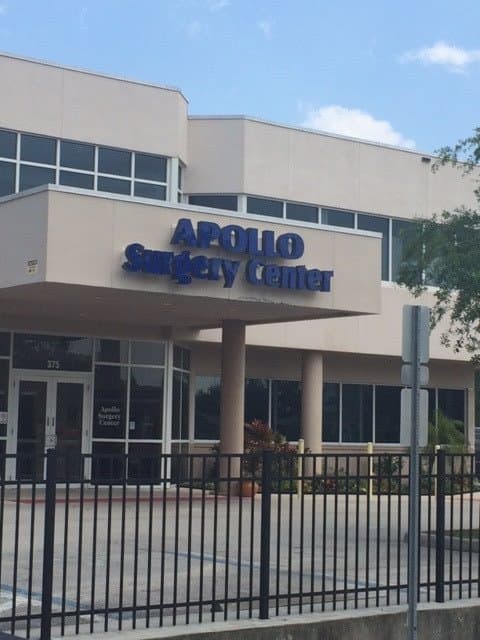
Healthcare
Apollo Surgery Center
Surgical Facility Expansion
West Melbourne, Florida
8,000 SF
Mechanical + Plumbing + Fire Protection
Mechanical, plumbing, and fire protection engineering for an 8,000-square-foot expansion of a surgical facility in West Melbourne, Florida.
View Project →BEED Engineering
Healthcare
Night Lite Pediatrics
Palm Bay, Florida · Mechanical + Electrical + Plumbing
Healthcare
Night Lite Pediatrics
Pediatric Clinic
Palm Bay, Florida
3,450 SF
Mechanical + Electrical + Plumbing
MEP engineering for a 3,450-square-foot pediatric clinic in Palm Bay, Florida.
View Project →Common Questions
Can a regular compressed-air system be used for medical air?
No. Medical air has specific source, quality, alarm, and piping requirements. Ordinary shop air is not an acceptable substitute.
Is medical gas only for hospitals?
Hospitals are the most complete examples, but outpatient surgery, dental, and some clinics also require engineered medical gas or vacuum systems.
Does every medical office need medical gas?
No. Many physician offices do not. Scope follows the clinical program—procedure and surgical spaces are more likely to need engineered gas or vacuum systems.
Who designs medical gas systems?
Medical gas is typically designed as specialty plumbing within the MEP package, coordinated with mechanical ventilation, electrical power for source equipment and alarms, and the architectural layout.
Filed under Plumbing Engineering
Continue exploring
Related Questions
What Is Healthcare MEP Engineering?
Healthcare MEP engineering is the coordinated mechanical, electrical, and plumbing design of building systems for clinics, hospitals, surgical facilities, and other clinical environments.
What Engineering Is Required for a Medical Office?
Medical offices typically need coordinated mechanical, electrical, and plumbing engineering sized to clinical layouts, equipment, and either new construction or renovation conditions.
What Is Different About HVAC Design for Healthcare Facilities?
Healthcare HVAC design addresses ventilation, exhaust, temperature, humidity, airflow relationships, and controls in clinical spaces—not comfort cooling alone.
What Is Plumbing Engineering?
Plumbing engineering is the design of domestic water, sanitary waste, storm drainage, and specialty piping systems for buildings.
Do I Need an Engineer for a Commercial Renovation?
Many commercial renovations need an MEP engineer when HVAC, electrical, plumbing, occupancy, or life-safety systems change—or when sealed drawings are required for permit.
What Is Commercial Domestic Water Design?
Commercial domestic water design sizes cold and hot water supply, heaters, pumping, and backflow protection for building fixtures and equipment.
Related BEED Services
Service
Medical Gas Systems
Medical air, vacuum, and medical-grade gases for healthcare and laboratory environments.
Service
Plumbing Engineering
Domestic water, sanitary waste, storm drainage, medical gas, and natural gas systems for building projects.
Service
Healthcare Engineering
MEP design for clinics, hospitals, and other healthcare facilities with infection control and code-driven systems.
Related Locations
Local Presence
BEED Engineering — Based in Palm Bay, Serving Florida
BEED Engineering is a Palm Bay-based MEP firm providing mechanical, electrical, and plumbing design for commercial and specialized facilities throughout Central Florida and Florida. BEED Engineering is a firm you can trust to get the job done.
Need Engineering Help?
Discuss Your Project
BEED Engineering designs medical gas, vacuum, and related healthcare plumbing systems coordinated with mechanical and electrical work for clinics and healthcare facilities in Central Florida.