
Engineering Question
What Is a Fire Alarm System?
A fire alarm system detects fire signatures, notifies occupants, and interfaces with other life-safety systems according to the building’s occupancy and code path.

Reviewed by
Michael K. Frempong, PE, LEED AP
President & Principal Engineer, BEED Engineering
Michael K. Frempong is a professional engineer and LEED AP accredited professional with over 20 years of experience in consulting engineering. As President & Principal Engineer at BEED Engineering, he leads the firm’s MEP design and consulting work for laboratory, healthcare, industrial, data center, education, commercial, municipal, and other building projects throughout Florida.
View BEED team profileQuick Answer
A fire alarm system is a life-safety system that detects smoke, heat, or manual alarm signals and notifies occupants and emergency responders. In commercial buildings it also often recalls elevators, releases doors, and may shut down or start HVAC sequences. The design is based on occupancy, building height, and applicable fire and electrical codes.
On this page
What the system does
A fire alarm system:
- Detects smoke, heat, or sprinkler waterflow
- Accepts a manual pull-station signal
- Notifies occupants with horns, speakers, and strobes
- Transmits the alarm to monitoring or the fire department as required
- Interfaces with doors, elevators, and HVAC where the code path requires it
It is a life-safety system, not a security system.
Main components
- Fire alarm control unit
- Smoke and heat detectors
- Manual stations
- Notification appliances
- Monitoring module
- Power supplies, often with emergency power considerations
- Interface modules to mechanical and elevator systems
Coordination with other disciplines
Mechanical engineers may need HVAC shutdown or smoke-control sequences. Architects control exiting and door hardware. Electrical engineers design the fire alarm and its power. That is why fire alarm belongs in a coordinated MEP set.
When to involve an engineer
Involve an engineer for new commercial buildings, occupancy changes, notification upgrades, and renovations that alter walls, ceilings, or HVAC. Local amendments in Brevard County and nearby cities should be confirmed early.
Related BEED projects
All projects →Selected work that shows how BEED has applied this kind of engineering on real buildings.
Food Service
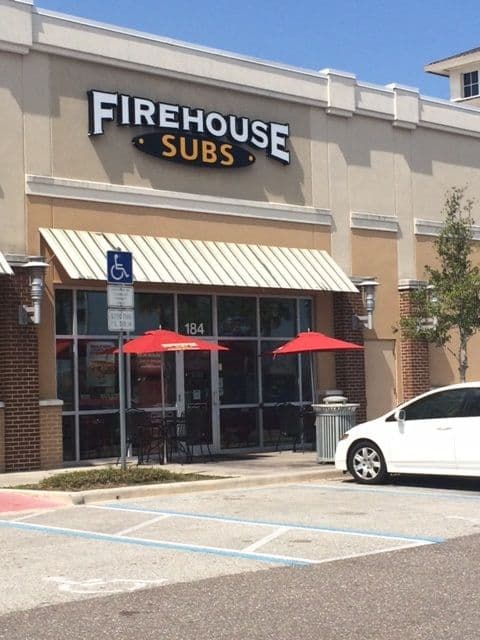
Firehouse Subs
West Melbourne
West Melbourne, Florida
1,700 SF
Mechanical + Electrical + Plumbing
MEP engineering for a 1,700-square-foot Firehouse Subs restaurant in West Melbourne, Florida, with seating, food preparation, and office space.
View Project →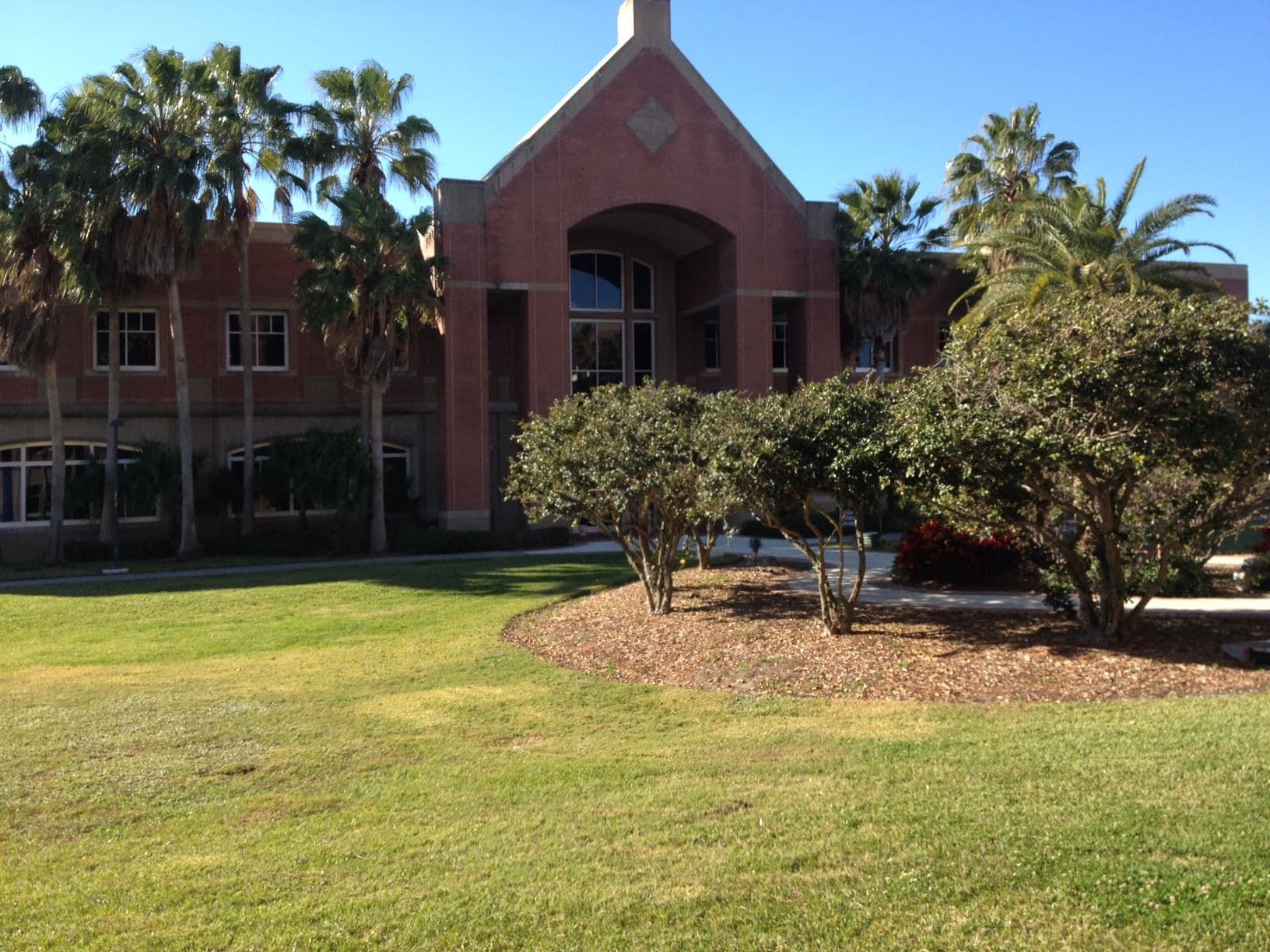
Higher Education
Florida Institute of Technology
Fume Hood Modernization
Melbourne, Florida
40,000 SF
Mechanical + Electrical Engineering
Mechanical and electrical engineering for a 40,000-square-foot laboratory fume hood modernization at the Olin Physical Science Building in Melbourne, Florida.
View Project →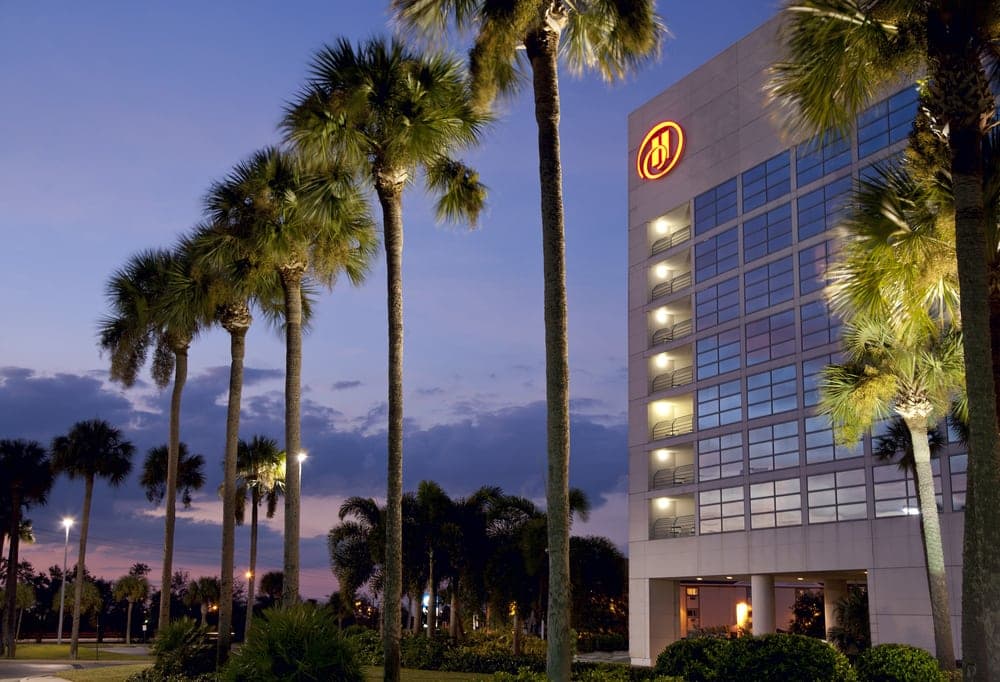
Commercial
Hilton Rialto Place
MEP Systems Assessment
Melbourne, Florida
146,000 SF
Specialized Engineering
MEP systems assessment for the 146,000-square-foot, 237-guestroom Hilton Rialto Place Hotel in Melbourne, Florida.
View Project →Common Questions
Is fire alarm part of MEP?
Fire alarm is commonly included in electrical engineering scope, coordinated with mechanical smoke control and architectural exiting.
Can I reuse an existing fire alarm during a renovation?
Sometimes. Device coverage, compatibility, and occupancy changes often require an engineered modification or replacement.
Filed under Electrical Engineering
Continue exploring
Related Questions
What Is Commercial Electrical Engineering?
Commercial electrical engineering is the design of power, lighting, emergency systems, and fire alarm infrastructure for non-residential buildings.
What Is Emergency Power?
Emergency power is the legally required backup source that keeps life-safety and other designated loads operating when normal utility power is lost.
What Is Commercial Commissioning?
Commissioning is a quality process that verifies building systems are installed and operating according to the owner’s project requirements.
How Do Commercial Generators Work?
Commercial generators start on a utility outage, produce electricity, and feed selected building loads through automatic transfer switches.
What Is Electrical Power Distribution?
Electrical power distribution is the path from the utility service through switchgear and panels to the building’s lights, receptacles, and equipment.
Do I Need an Engineer for a Commercial Renovation?
Many commercial renovations need an MEP engineer when HVAC, electrical, plumbing, occupancy, or life-safety systems change—or when sealed drawings are required for permit.
Related BEED Services
Related Locations
Local Presence
BEED Engineering — Based in Palm Bay, Serving Florida
BEED Engineering is a Palm Bay-based MEP firm providing mechanical, electrical, and plumbing design for commercial and specialized facilities throughout Central Florida and Florida. BEED Engineering is a firm you can trust to get the job done.
Need Engineering Help?
Need fire alarm design for a commercial project?
BEED Engineering designs fire alarm systems coordinated with electrical, mechanical, and life-safety requirements.